For those of you getting ready for a big writers conference you may have heard about the need for a One Sheet. This tool is also known as a Pitch Sheet.
It’s a one page presentation of the project you’re pitching to an
editor or agent. Today I’ll be explaining how to put one together.
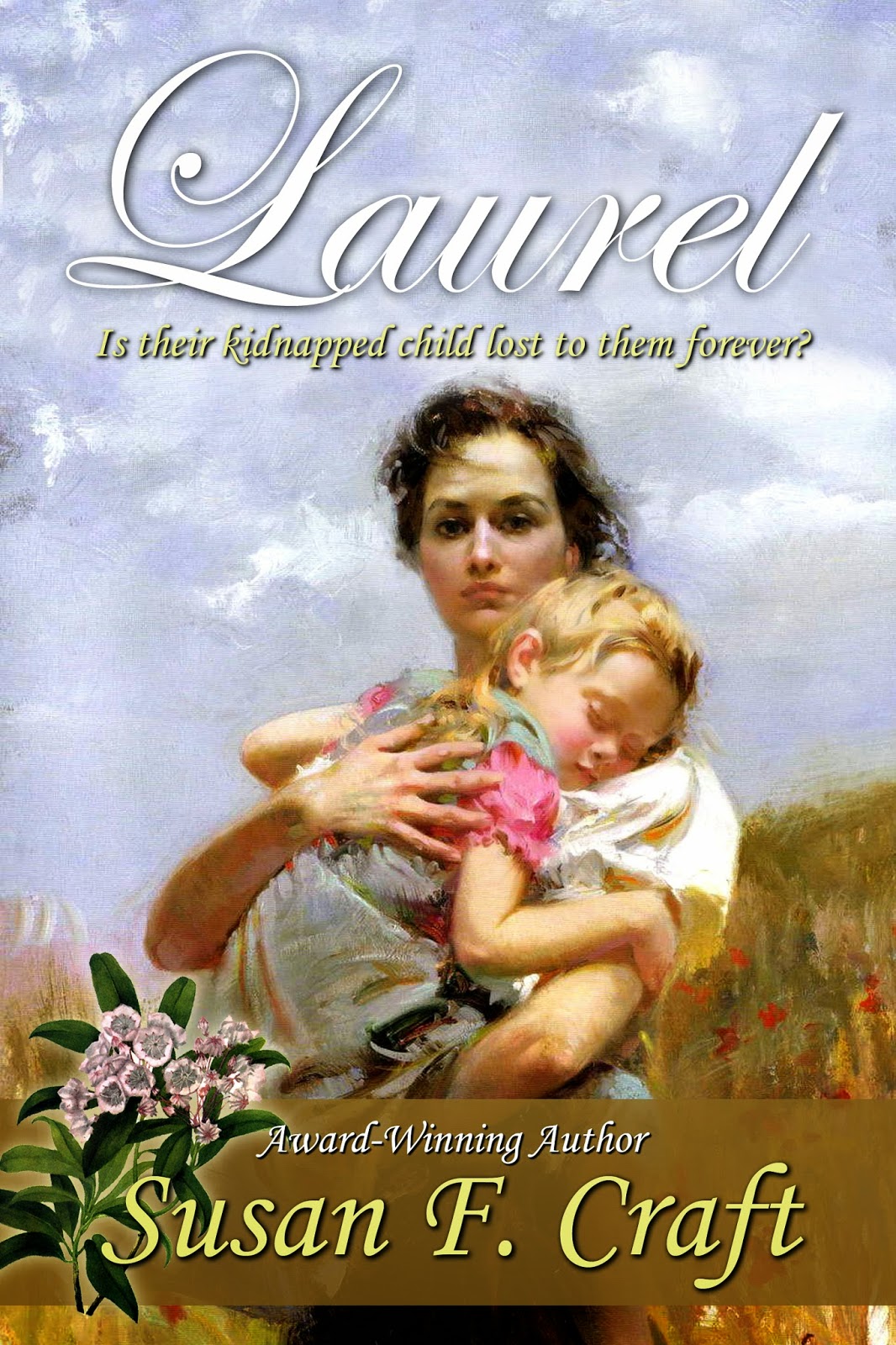
Click here to see an example of a fiction one sheet. Click here to see an example of a nonfiction one sheet.
Both of these led to multiple requests for proposal and full
manuscripts. To answer your question, no, it’s not been published. I
sent it out too soon and killed my chances—but that’s fodder for a
future post!
There are three basic components of a one sheet—the project blurb,
specifics about the project and the author’s bio—including a picture and
contact info. We’ll take each component individually and explain what’s
included.
The Project Blurb
For this section think back cover copy. This is NOT the place for a
synopsis. You want this section to read like the blurb on the back cover
of a book.
Project Specifics
This is where you give some of the details and they’re slightly different for fiction and non-fiction.
Fiction
- Genre – like Romance or Suspense.
- Manuscript Length – this doesn't have to be an exact word count, just an approximation.
- Target Audience – every book should be written with an audience in mind. I know, we all think our book will appeal to a wide range of readers—and that may be true. But this tells the potential editor or agent how to market the book. It will help sell a publishing house on your manuscript by defining the reader you’re writing for.
*there isn’t a section here for completion date because it’s understood
that a manuscript must be complete before it’s submitted. It’s okay to
pitch an uncompleted manuscript with a one sheet, but it’s rare for
anyone to look at it as a submission until it’s complete.
Non-Fiction
- Projected Completion Date – the reason you don’t have a non-fiction manuscript completed is because publishers like to have a say in the overall concept.
- Manuscript Length – since it’s not completed, this is just an estimate.
- Target Audience – just like in fiction, you need to focus in on who specifically you’re targeting with this manuscript.
Author Info
This is where you need to include a personal bio, recent picture and
contact information. A lot of writers hate composing a bio so later this
week I’ll be posting a short How-to on writing bios. But the basics to
consider are these:

A bio must be
- Relevant
It must give you
- Personality
- Credibility
Don't forget to join the conversation!
Blessings,
Edie
 Edie Melson is the author of numerous books, as well as a freelance writer and editor. Her blog, The Write Conversation, reaches thousands each month. She’s the co-director of the Blue Ridge Mountains ChristianWriters Conference and the Social Media Mentor at My Book Therapy. She’s also the Military Family Blogger at Guideposts. Com, Social Media Director for SouthernWriters Magazine and the Senior Editor for NovelRocket.com. Connect with her on Twitter and Facebook. Don't miss her new book from Worthy Inspired, WHILE MY SOLDIER SERVES.